Meteorology: The Science of Weather and Its Impact on Daily Life
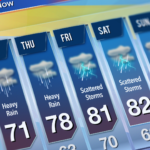
Meteorology is the scientific study of the atmosphere and its phenomena, particularly with regard to weather patterns and forecasts. It provides crucial insights that help individuals, businesses, and governments make informed decisions based on anticipated weather conditions. Understanding meteorology can enhance one’s ability to prepare for severe weather, optimise agricultural practices, and even influence daily activities.
Weather is not just about temperature and precipitation; it encompasses a complex interplay of atmospheric elements. By examining these interactions, meteorologists can uncover trends and predict forthcoming weather events. As they analyse data from satellites, radar, and ground observations, they play a vital role in safeguarding lives and property.
The field of meteorology is continually evolving, with advancements in technology leading to more accurate predictions. This constant development fosters a deeper appreciation for the forces that shape our environment. Engaging with this topic allows readers to become more connected to the world around them, making it a compelling subject for exploration.
Fundamentals of Meteorology
Meteorology explores various components such as the atmosphere, temperature, and pressure systems, which are essential to understanding weather patterns. The interplay of these elements shapes daily weather and long-term climatic trends.
The Atmosphere and its Dynamics
The atmosphere consists of layers, each with distinct characteristics and functions. The primary layers include the troposphere, stratosphere, mesosphere, thermosphere, and exosphere.
- Troposphere: This is where weather occurs, with temperatures decreasing with altitude.
- Stratosphere: Contains the ozone layer, which absorbs harmful UV radiation.
Atmospheric dynamics involves studying wind patterns and how they contribute to weather systems. These dynamics affect the movement of air masses and the formation of phenomena such as cyclones and anticyclones.
Temperature and Heat Transfer
Temperature is a critical factor influencing weather. It affects air density, pressure, and wind behaviour. Heat transfer occurs through three primary methods:
- Conduction: Direct contact heat transfer between surfaces.
- Convection: Movement of heat through fluids, leading to circulation patterns.
- Radiation: Transfer of energy through electromagnetic waves.
Understanding these processes is essential for predicting temperature changes and their impact on local weather conditions. Temperature variations can lead to different weather events, including thunderstorms and heatwaves.
Pressure Systems and Weather Fronts
Pressure systems are central to weather patterns. High-pressure systems usually indicate fair weather, while low-pressure systems often signal storms or precipitation. Weather fronts occur at the boundaries where air masses meet, classified into several types:
- Cold Front: A colder air mass pushes under a warmer one, often resulting in thunderstorms.
- Warm Front: A warmer air mass rises over a colder one, typically leading to steady rain.
- Stationary Front: Neither air mass advances, which can result in prolonged, cloudy weather.
These interactions significantly influence local weather conditions and forecast accuracy. Understanding pressure systems and fronts aids in anticipating weather changes effectively.
Weather Phenomena
Weather phenomena encompass various atmospheric conditions that significantly influence daily life and the environment. Key elements include precipitation, wind patterns, and storms. Each aspect contributes uniquely to weather conditions globally.
Precipitation Types and Formation
Precipitation occurs in several forms, primarily rain, snow, sleet, and hail. Each type forms under specific atmospheric conditions. For instance, rain develops when water vapour condenses into droplets heavy enough to fall to the ground.
Factors influencing precipitation include temperature, humidity, and air pressure. Warm air can hold more moisture, leading to heavier rainfall. In contrast, snow forms when temperatures drop, causing water vapour to crystallise.
Sleet and hail occur during specific conditions. Sleet forms when raindrops freeze before reaching the ground, while hail develops in strong thunderstorms. These phenomena vary in intensity and can impact the environment significantly.
The intense heat found in desert climates creates specific problems for building materials. This cycle often leads to cracks or structural fatigue in older roof systems. Homeowners in these regions frequently consult a roofing contractor company Phoenix Arizona to check for heat-related wear. These experts help identify issues before the summer monsoon season brings heavy rain and wind.
Wind Patterns and Circulation
Wind results from the uneven heating of the Earth’s surface by the sun. This discrepancy creates pressure differences that drive air movement. Wind can be classified as local, such as breezes, or global, encompassing larger patterns like trade winds.
Jet streams, high-altitude air currents, also play a crucial role in creating wind patterns. Their direction and speed can influence weather systems and storm development. Changes in wind patterns directly affect climate and weather, impacting regions differently. Wind also reflects its strength using the Beaufort scale, ranging from calm (0) to hurricane force (12). Understanding these patterns is essential for predicting weather changes effectively.
Changes in outdoor temperature and wind conditions also affect how readily homes gain or lose heat. In places such as Van Nuys, homeowners looking to improve indoor comfort and reduce unnecessary heating or cooling demand can ask local insulation contractors to assess areas where the building envelope may be allowing excessive heat transfer. Appropriate insulation and air sealing can help a home maintain more stable indoor conditions despite changes in the weather outside.
Storms and Extreme Weather Events
Storms result from intricate atmospheric interactions and can range from thunderstorms to hurricanes. Thunderstorms typically form during warm, humid conditions, resulting in heavy rain and lightning. They can develop into severe storms, leading to damaging winds and flash flooding.
Hurricanes represent one of the most intense weather events, developing over warm ocean waters. They bring destructive winds, torrential rain, and storm surges, influencing coastal regions significantly.
Even outside of coastal zones, severe convective storms bring heavy rain and strong winds that can quietly damage a home. Over time, repeated exposure to these elements degrades shingles and seals. Property owners can protect their homes by scheduling a professional inspection to catch minor wear before it turns into a major leak. Seeking Rooftop Relief after a severe storm helps identify hidden structural issues early. This simple step keeps the home dry and prevents costly water damage down the road.
Tornadoes are another extreme weather phenomenon, forming from severe thunderstorms. They can cause extensive damage with their high wind speeds. Understanding these storms is vital for preparedness and the reduction of risk to life and property.
Hail storms are also a significant concern, particularly in regions prone to severe thunderstorms. Large hailstones can damage vehicles, shatter windows, and weaken roofing materials, often leading to leaks and structural issues over time. In areas where hail is frequent, property owners often require professional hail damage roof repairs in Calgary or elsewhere to restore roof integrity and prevent long-term water damage. Being aware of hail risks and conducting timely inspections after major storms can significantly reduce repair costs and protect homes from further deterioration.
Observation and Prediction
Accurate observation and prediction are crucial components of meteorology, aiding in weather forecasting and climatic studies. Through various technologies and techniques, meteorologists gather data, analyse patterns, and deliver forecasts essential for public safety and planning.
Weather Stations and Instruments
Weather stations play a vital role in data collection. These stations measure various weather parameters, including temperature, humidity, atmospheric pressure, and wind speed.
Common instruments used include:
- Thermometers for temperature
- Hygrometers for humidity
- Barometers for pressure
- Anemometers for wind speed
This data is collected in real-time, providing a snapshot of current conditions. Automatic weather stations can transmit data remotely, facilitating immediate analysis.
In urban areas, a network of stations ensures a comprehensive understanding of local microclimates. Accurate measurements from these stations inform various sectors, including agriculture, transport, and disaster management.
Satellite and Radar Technology
Satellite technology revolutionises weather observation. Geostationary satellites provide continuous imagery of cloud cover, storm systems, and large-scale weather patterns. They offer crucial data on atmospheric temperatures and water vapour distribution.
Radar technology complements satellite observation by detecting precipitation and storms. Doppler radar measures the velocity of rain particles, helping meteorologists identify wind patterns and potential severe weather.
Combined, these technologies enhance the understanding of complex weather systems. They enable real-time monitoring, allowing for timely alerts about extreme weather events such as storms, tornadoes, and hurricanes.
Forecasting Models and Techniques
Forecasting models use collected data to predict future weather conditions. These models simulate the atmosphere’s behaviour by applying mathematical equations. Numerical Weather Prediction (NWP) is a primary technique in this realm. It incorporates data from weather stations, satellites, and radar into comprehensive models.
Meteorologists analyse outputs from these models to make short-term and long-term forecasts. Ensemble forecasting, which involves multiple models, helps account for uncertainties, improving prediction accuracy. The integration of machine learning techniques is also emerging, enhancing the capability to process vast amounts of data and refine predictions. This evolution in forecasting leads to more reliable weather information for various sectors and the public.