The Science Behind Renewable Energy: Understanding its Mechanisms and Benefits
Renewable energy plays a critical role in addressing the global challenges of climate change and resource depletion. The science behind renewable energy demonstrates how harnessing sources like sunlight, wind, and water can lead to sustainable electricity generation and improved energy efficiency. By shifting focus from fossil fuels to renewable energy sources, societies can achieve significant reductions in carbon emissions and foster a cleaner environment.
Understanding the mechanisms of renewable energy systems is pivotal for their widespread adoption. These systems convert natural phenomena into usable energy, paving the way for advancements in sustainability. As technology evolves, efficiency improves, making clean energy not only accessible but also increasingly cost-effective.
Incorporating renewable energy into daily life enhances energy independence and supports economic growth. By embracing these innovations, communities can reduce their reliance on non-renewable resources and ensure a healthier planet for future generations.
Overview of Renewable Energy Sources
Renewable energy sources are crucial for sustainable development and reducing carbon emissions. Various forms harness natural processes, ensuring a consistent energy supply while minimising environmental impact.
Solar Energy: Harnessing the Sun
Solar energy converts sunlight into electricity using photovoltaic cells. These cells are typically made from silicon and generate direct current when exposed to sunlight. This energy can be stored in batteries or converted to alternating current for immediate use.
Solar panels can be installed on rooftops or in large solar farms. Technological advancements have improved solar efficiency, with some cells converting over 20% of sunlight into usable energy. Additionally, solar energy systems can provide power in remote areas without extensive grid infrastructure.
Wind Power: Capturing the Breeze
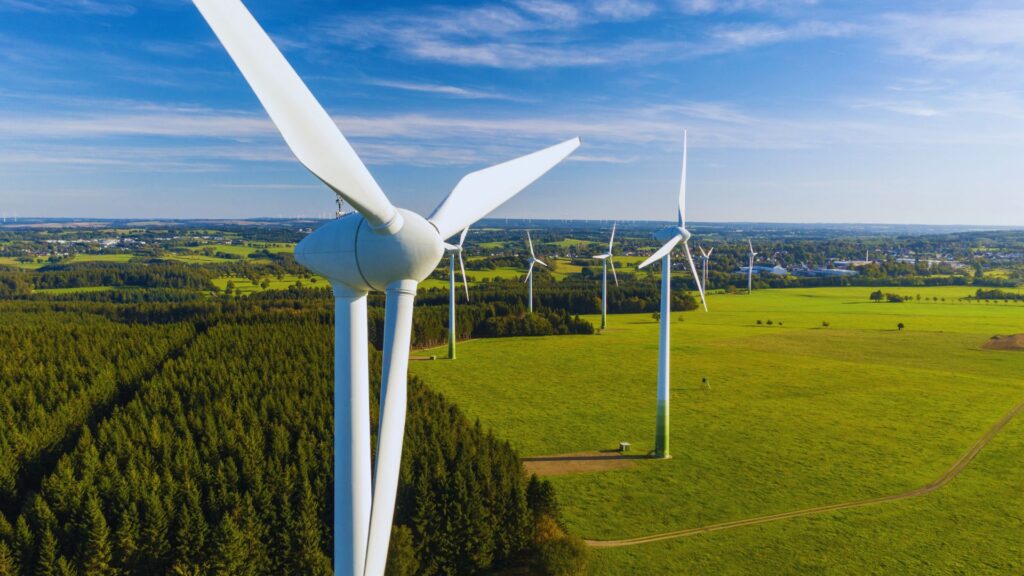
Wind power relies on wind turbines to convert kinetic energy into electricity. Turbines consist of blades that rotate in the wind, driving a generator to produce power. Key components include:
- Blades: Designed to capture wind efficiently.
- Nacelle: Houses the generator and other components.
- Towers: Elevate turbines to higher wind speeds.
Wind energy is one of the fastest-growing renewable sources, with offshore wind farms gaining popularity due to stronger winds. The capacity of wind turbines continues to increase, making this energy source more efficient and cost-effective.
Hydropower: The Strength of Water
Hydropower generates electricity by utilising the flow of water, usually through dams. Water stored behind a dam is released, flowing through turbines that generate electricity. This method provides a reliable and consistent energy source.
Key facts about hydropower include:
- Types: Includes large-scale plants and small-scale run-of-river systems.
- Storage: Pumped storage hydropower can store excess energy by pumping water uphill during low demand.
While hydropower is efficient, its ecological impact on aquatic systems must be managed. Nonetheless, it remains a significant contributor to global renewable energy production.
Biomass Energy: Organic Fuel
Biomass energy derives from organic materials, such as plant matter and animal waste. Common forms include wood, crop residues, and dedicated energy crops. Biomass can be burned directly for heat or converted into biofuels for transportation.
This energy source offers several advantages:
- Carbon Neutral: Biomass is considered carbon neutral as the carbon dioxide released during combustion is offset by the CO2 absorbed during growth.
- Versatile: Can be processed into solid, liquid, or gas fuels.
While beneficial, sustainable sourcing of biomass is essential to avoid deforestation and food supply issues.
Geothermal Energy: Earth’s Heat
Geothermal energy harnesses heat from beneath the Earth’s surface for electricity generation and direct heating applications. Geothermal power plants tap into steam or hot water reservoirs through wells.
Types of geothermal systems include:
- Geothermal heat pumps: Used for heating and cooling buildings by exchanging heat with the ground.
- Binary cycle power plants: Utilise lower temperature resources for energy generation.
Geothermal energy is reliable and has a small land footprint compared to other sources. It is essential to assess resource sustainability to ensure long-term viability.
Transition to Renewable Energy
The transition to renewable energy involves several critical elements that ensure the effective implementation and integration of these sustainable sources. Key factors include advancements in energy storage solutions, supportive policies, and ongoing technological innovation.
Energy Storage and Grid Integration
Energy storage is vital for balancing supply and demand in renewable energy systems. Technologies like batteries, pumped hydro storage, and flywheels allow excess energy to be stored for later use. This capability addresses the intermittent nature of sources such as solar and wind power. Modern systems rely on more than just the panels or turbines themselves. Effective battery energy storage helps manage the gap between when power is made and when it is needed. This technology is a key part of making a site self-sufficient. It allows businesses to use their own clean power during peak times or at night. Having a clear plan for these systems makes the switch to green energy much easier for large facilities.
Grid integration is equally important. Modern electric grids must adapt to accommodate a higher share of renewable energy. Smart grid technologies enable more efficient management of energy flows, allowing for better distribution and minimising disruptions. Enhanced grid infrastructure can support increased renewable energy production, leading to reduced reliance on fossil fuels.
Policies and Incentives
Government policies play a crucial role in promoting renewable energy adoption. Initiatives such as renewable portfolio standards (RPS) mandate a certain percentage of energy to come from renewable sources. This encourages utilities to invest more in sustainable solutions.
Carbon pricing is another strategy aimed at reducing greenhouse gas emissions. By putting a price on carbon, it incentivises both businesses and consumers to minimise their carbon footprints. Additionally, financial incentives such as tax credits and grants can stimulate investment in renewable energy technologies, making them more attractive for developers.
Technological Advances and Research
Technological advances are at the forefront of the renewable energy transition. Researchers are continually developing more efficient solar panels, advanced wind turbines, and innovative biomass solutions. These improvements increase energy production while reducing costs, making renewable sources more competitive with traditional energy.
Research also addresses energy access challenges. Innovations in microgrid systems and distributed energy resources enable communities to harness local renewable energy. This contributes not only to energy sustainability but also to broader socio-economic benefits, particularly in underserved areas.
Environmental and Socio-Economic Impacts
The transition to renewable energy plays a crucial role in addressing environmental concerns and enhancing socio-economic conditions. This section examines its implications for climate change mitigation, economic benefits, and the challenges faced in this shift.
Climate Change Mitigation
Renewable energy significantly reduces greenhouse gas emissions, particularly carbon dioxide. By replacing fossil fuels, it helps decrease the overall carbon footprint of energy production.
An increase in wind, solar, and hydroelectric power leads to a decline in extreme weather events caused by climate change. These renewable sources emit little to no greenhouse gases during operation.
Transitioning to sustainable energy sources aligns with international climate goals, such as those outlined in the Paris Agreement. This commitment to reducing global warming is vital for maintaining the health of the environment.
Economic Benefits and Job Creation
Investing in renewable energy stimulates economic growth through job creation and innovation. The renewable energy sector has witnessed job increases across various fields, from engineering to installation.
According to recent statistics, the clean energy industry has created millions of jobs globally. These positions often offer competitive salaries and career stability.
Moreover, investments in renewable infrastructure can lead to local economic development. Regions that adopt renewable technologies often experience reduced energy costs and enhanced energy security over time.
Challenges and Considerations
Despite the benefits, transitioning to renewable energy poses challenges. High initial capital costs can deter investment in new technologies.
Additionally, energy production may be inconsistent, particularly with solar and wind sources. This requires improved energy storage solutions or backup systems to ensure a reliable supply.
Lastly, environmental considerations must be addressed. The development of renewable energy sites can impact local ecosystems, necessitating careful planning and mitigation strategies to minimise adverse effects.