Why Marine Science Is Crucial for Planetary Health: Understanding Its Impact on Global Ecosystems
Marine science plays a vital role in understanding and protecting the health of our planet. The oceans regulate climate, produce oxygen, and support biodiversity essential to life on Earth. It provides critical insights into how human activities impact these systems and offers solutions to preserve planetary health.
Without knowledge from marine science, policymakers and communities would lack the evidence needed to tackle issues such as climate change, pollution, and overfishing. This field uncovers the connections between ocean health and global wellbeing.
By studying the marine environment, scientists can predict changes that affect weather patterns, food security, and economic stability. The importance of marine science extends far beyond the water’s edge, influencing the entire planet’s future.
The Role Of Marine Science In Safeguarding Planetary Health
Marine science reveals how ocean ecosystems operate and their critical impact on Earth’s environmental stability. It shows the vital processes through which oceans absorb carbon and regulate climate, underpinning global health.
Understanding Marine Ecosystems And Their Functions
Marine ecosystems include coral reefs, deep-sea vents, and coastal wetlands, each supporting diverse biological communities. These habitats maintain nutrient cycles, water quality, and food webs essential for ocean health.
They act as biological buffers, filtering pollutants and hosting species that contribute to ecosystem resilience. Understanding these processes helps predict environmental changes and informs conservation strategies to protect the marine environment.
Contribution Of The Ocean As A Carbon Sink
The ocean absorbs about 25-30% of human-produced carbon dioxide, mitigating atmospheric greenhouse gas levels. Phytoplankton in the marine ecosystem use carbon during photosynthesis, supporting the biological carbon pump.
Carbon sinks in ocean sediments lock away carbon for centuries, preventing it from re-entering the atmosphere. Marine science investigates these mechanisms, quantifying the ocean’s role in global carbon cycles and aiding mitigation policies.
Regulation Of Climate And Global Systems
Ocean currents distribute heat worldwide, stabilising regional and global climates. The marine environment influences weather patterns, including the frequency and intensity of storms, through heat exchange.
Sea surface temperatures monitored by marine science indicate shifts in climate systems. Understanding this regulation is vital for predicting climate impacts, protecting biodiversity, and supporting human societies dependent on marine resources.
Human Wellbeing And Marine Biodiversity
The diversity found within marine ecosystems supports various aspects of human life, from providing food to offering cultural and mental benefits. Understanding this relationship allows better protection of these ecosystems and sustains local communities that depend on them.
Marine Biodiversity And Its Benefits For Humanity
Marine biodiversity includes a vast range of species from bacteria to large mammals. This diversity ensures the stability and resilience of marine ecosystems, which in turn regulate climate and water quality.
Many marine species play critical roles in nutrient cycling and carbon sequestration, directly impacting global environmental health. The loss of biodiversity can disrupt these functions, affecting food chains and ecosystem services humans rely on.
Additionally, diverse marine ecosystems support fisheries that provide livelihoods for millions worldwide. Protecting biodiversity maintains species populations critical for sustainable harvesting and economic stability in coastal regions.
Impacts Of Marine Science On Food Security And Medicine
Marine science advances knowledge about fish stocks and ecosystem health, guiding sustainable fishing practices. This helps prevent overfishing and ensures long-term availability of seafood, a vital protein source, particularly in developing countries.
Research into marine organisms has led to the discovery of new medicines. Compounds derived from marine bacteria and other species contribute to treatments for cancer, infections, and inflammatory diseases.
Marine science also investigates aquaculture improvements, reducing environmental impacts while increasing production. This supports stable food supplies and economic growth for local communities reliant on marine resources.
Mental And Cultural Value Of Healthy Oceans
Healthy oceans provide recreational and spiritual benefits that are important for mental wellbeing. Coastal and island communities often hold rich cultural traditions linked to marine environments, shaping identity and social cohesion.
Access to clean, productive marine ecosystems supports activities such as fishing, diving, and tourism, which contribute to personal and community wellbeing. The presence of vibrant marine life enhances people’s connection to nature and relaxation.
Loss of marine biodiversity and degraded ecosystems can lead to diminished cultural practices and increased psychological stress within affected populations. Maintaining robust marine ecosystems is essential for preserving these intangible human values.
Threats To Ocean Systems And The Importance Of Research
Human activities are causing measurable harm to the ocean environment, threatening marine ecosystems and the services they provide. Addressing these challenges requires focused scientific research to understand causes, impacts, and solutions.
Ocean Acidification And Climate Change
Ocean acidification results from increased CO₂ absorption in seawater, lowering pH levels. This change disrupts marine ecosystems, affecting calcifying organisms like corals, shellfish, and plankton. Reduced calcification weakens coral reefs, essential for coastal protection and biodiversity.
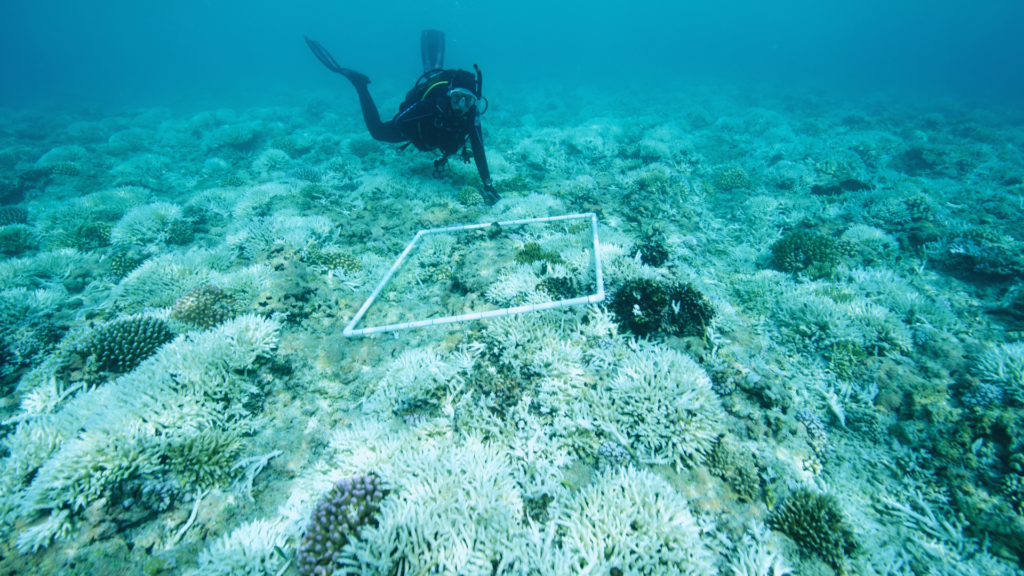
Climate change also warms ocean waters, causing coral bleaching and shifting species distributions. Temperature rise affects fish populations and breeding cycles, impacting global fisheries and food security. Research into ocean chemistry and temperature trends helps predict future changes and guide mitigation strategies.
Degradation Of The High Seas
The high seas, areas beyond national jurisdictions, face growing threats from overfishing, pollution, and unregulated shipping. Illegal, unreported, and unregulated (IUU) fishing depletes fish stocks and damages marine habitats.
Pollutants, including plastic waste, oil spills, and chemical run-off, accumulate in these international waters, harming wildlife and ecosystems. Scientific monitoring is essential to assess the scale of degradation and inform international policy for better high seas governance and conservation measures.
Loss Of Marine Habitats And Species
Coastal development, pollution, and destructive fishing practices lead to habitat loss, such as mangroves, seagrass beds, and coral reefs. These habitats are critical nurseries and feeding grounds for many marine species.
Biodiversity loss weakens ecosystem resilience and reduces ocean health. Species extinction disrupts food webs and reduces marine productivity. Research focusing on habitat mapping, species population trends, and restoration techniques supports efforts to protect and rehabilitate marine environments.
Pathways Toward Sustainable Ocean Stewardship
Effective ocean stewardship requires coordinated policy, scientific understanding, and community involvement. This includes legal frameworks, protected zones, local empowerment, and sustainable resource management.
International Agreements And Governance
The United Nations Convention on the Law of the Sea (UNCLOS) is the primary framework governing ocean use. It defines maritime zones, navigational rights, and resource management responsibilities for coastal states.
International cooperation is crucial for protecting biodiversity beyond national jurisdictions. This involves agreements addressing pollution, overfishing, and seabed mining.
Small Island Developing States (SIDS) often face critical challenges due to their reliance on marine resources and vulnerability to climate change. Support from international governance enables these nations to safeguard their ocean zones and build resilience.
Effective Marine Protected Areas
Marine Protected Areas (MPAs) are designated zones restricting harmful activities to conserve biodiversity and ecosystem function. Scientific criteria guide their placement to maximise ecological benefits.
Well-managed MPAs improve fish stocks, protect habitats, and enhance climate resilience. Coverage targets, such as protecting 30% of ocean areas by 2030, have gained global support.
Enforcement and monitoring are essential to prevent illegal fishing and habitat destruction within MPAs. This requires funding, technology, and local cooperation to maintain effectiveness.
Empowering Local And Indigenous Communities
Local and indigenous communities often have detailed knowledge of marine ecosystems. Recognising their rights and involving them in decision-making ensures culturally appropriate and sustainable resource use.
Community-led management strengthens stewardship by aligning conservation goals with socioeconomic needs. Examples include coastal restoration and sustainable shellfish harvesting.
Supporting these communities through capacity building and legal recognition enhances resilience against environmental pressures and promotes equitable resource access.
Sustainable Fishing Practices
Sustainable fishing balances harvest levels with fish population regeneration. It includes methods that reduce bycatch, avoid habitat damage, and respect seasonal breeding cycles.
International guidelines and national regulations limit overfishing and illegal, unreported, and unregulated (IUU) fishing. This supports long-term food security, especially for coastal populations.
Technological advances, such as selective gear and real-time monitoring, aid compliance and reduce environmental impact. Collaboration among fishers, scientists, and governments improves resource management.